Buy Me Books and Tell Me I'm Pretty: A Designer's Review
As someone who spends more time at the embroidery machine than at a desk, I have learned that not every digital graphic translates well to thread. The jump from a crisp vector file to a stitched finished product is where many craft businesses stumble. Today, I am putting Buy Me Books and Tell Me I m Pretty through its paces. This isn't just about downloading an SVG; it is about understanding how this specific phrase and layout will perform when you commit it to fabric for your next handmade product or client order.
The First Impression of a Sarcastic Book Lover Design
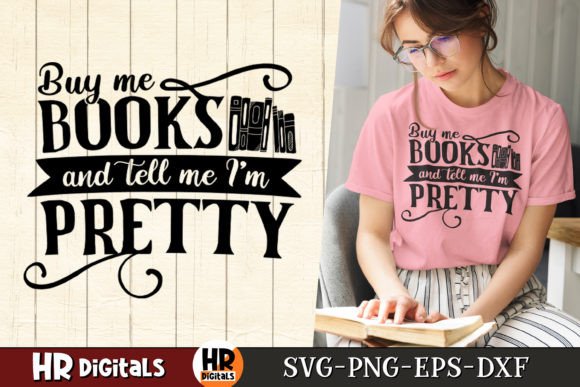
When I first pulled up the Buy Me Books and Tell Me I m Pretty design on my screen, the immediate reaction was a smile. It captures the exact mood of the modern bibliophile: witty, slightly self-deprecating, and unapologetically obsessed with reading. In the world of Crafts and Graphics, designs that rely on personality often outperform generic floral patterns because they speak directly to a niche audience. This phrase is perfect for readers, literature lovers, librarians, and library nerds who appreciate a touch of sarcasm in their wardrobe.
Visually, the layout needs to be balanced. Since the text is the hero here, the typography must be legible even after being converted into a machine embroidery design. The visual personality feels casual and fun, which suggests it belongs on everyday items rather than formal wear. If you are an Etsy seller or a small shop owner looking to expand your catalog with items that generate engagement, this design has the potential to become a bestseller if executed correctly.
Testing the Design on Real Projects
To truly evaluate Buy Me Books and Tell Me I m Pretty, I need to imagine it on a real object. Let's say I am preparing a custom embroidered tote bag for a local book club gift exchange. Tote bags are a staple for the craft business because they offer a large, flat canvas. However, the fabric texture of canvas can sometimes swallow fine details. If the lettering in this design is too thin, the fill stitch might not hold up, leading to gaps in the thread that look messy on a finished product.
I also envision this on a heavyweight cotton sweatshirt. Sweatshirt embroidery requires a different approach than light t-shirts. The looped pile of fleece can distort the edges of the letters. For a phrase like "Tell Me I m Pretty," the curves of the letters need to be defined clearly. If the stitch density is too high, the fabric might pucker, ruining the drape of the garment. Conversely, if it is too low, the design will look flimsy. This is why testing the embroidery file on scrap fabric is non-negotiable before committing to a customer's order.
Another strong use case is the embroidered patch. Patches allow for a denser stitch count without worrying about fabric puckering as much as apparel does. A patch featuring this sarcastic quote could be sewn onto denim jackets, backpacks, or hats, making it a versatile asset for any creative entrepreneur selling design assets or finished goods.
Navigating Challenges in Fabric and Hoop Size
While the concept is strong, there are practical limitations to consider. One major concern with text-heavy designs is the hoop size. If you are trying to fit this entire phrase into a 4x4 inch hoop, the lettering may become too small to read once stitched. Small lettering often loses definition, especially if the font has serifs or intricate details. For custom apparel, I would recommend checking the minimum recommended hoop size in the file documentation. If the design is intended for a cap, the curved surface adds another layer of difficulty. The "m" and "w" shapes in the text might stretch awkwardly on a curved brim unless the digitizer has specifically compensated for the curve.
Fabric choice is equally critical. On dark fabrics, you will likely need a thread colors palette that offers high contrast, perhaps using white or bright yellow for the text against a black background. However, adding underlay stitches for dark fabric increases the total stitch count and cost. If you are pricing your personalized gift items, remember that complex color changes add time to the production process. Additionally, on textured fabrics like linen or waffle weave, the running stitch outlines might get lost. You might need to adjust the settings to ensure the satin stitch borders remain sharp.
Stabilizer and Thread Considerations
No embroidery project succeeds without the right foundation. For a design like Buy Me Books and Tell Me I m Pretty, which relies on clear text, using a heavy-duty cut-away stabilizer is essential, especially for stretchy fabrics like jersey knit or baby clothes. Without adequate stabilization, the letters could warp during washing, making the finished product look unprofessional. Always test wash your sample to ensure the thread doesn't bleed or fade, particularly if you are selling these as holiday gifts that will be used frequently.
Strategic Use for Small Business Owners
For those running a small shop product line or managing an Etsy store, this design offers a unique opportunity to target a specific demographic. The humor in the phrase creates an emotional connection with buyers. When customers see a design that articulates their love for books so perfectly, they are more likely to trust your brand and purchase other items. This boosts buyer engagement and can lead to repeat customers.
However, do not assume this design works everywhere. Avoid placing it on very thin fabrics like silk scarves, where the weight of the thread could tear the material. Also, be cautious with layered garments where the stitching might create bulk between layers. If you plan to sell this as a digital embroidery file, ensure your mockups accurately represent how the text looks on different backgrounds. A printable mockup showing the design on a cozy sweater or a sturdy apron can significantly increase sales conversion.
Final Thoughts on Professional Execution
Buy Me Books and Tell Me I m Pretty is a charming addition to any portfolio of commercial embroidery projects, provided you respect the technical requirements of the medium. Before you start stitching, always review the stitch density and confirm the licensing terms if you intend to sell the finished items. Whether you are creating a baby embroidery item for a young reader or a bold statement piece for a librarian, the key is preparation.
Check your thread tension, select the appropriate stabilizer, and never skip the test run on scrap fabric. By taking these steps, you ensure that the final result is not just a collection of threads, but a high-quality, professional piece that your customers will cherish. This design has the heart and humor needed to stand out in a crowded market, but it is your attention to detail that will make it a success.