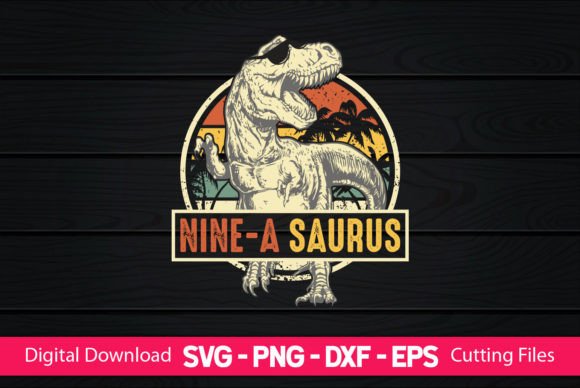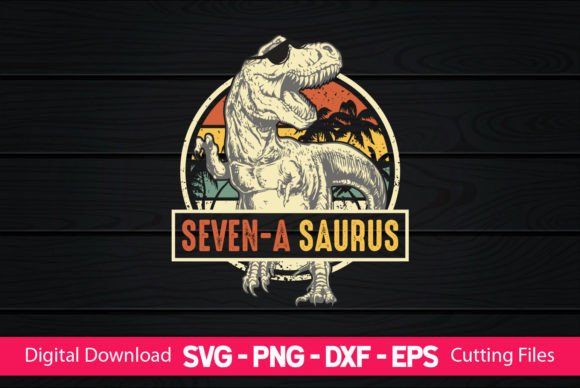
Four-a Saurus Funny Dinosaur: A Designer Review
As a designer who has spent years navigating the intersection of digital files and physical thread, I approach every new machine embroidery design with a critical eye. We all know the thrill of finding a fresh graphic, but the real test happens when that file hits the hoop. Today, I am evaluating the Four-a Saurus Funny Dinosaur, a playful concept that promises to bring a prehistoric twist to modern crafting. While the listing highlights it as an SVG, PNG, DXF, and EPS file for cutting machines like Cricut and Silhouette, my focus here is on how this character translates into a tangible embroidery project. Whether you are an Etsy seller stocking up your shop or a hobbyist making a personalized gift, understanding the practical application of this design is crucial.
First Impressions: Character and Visual Weight
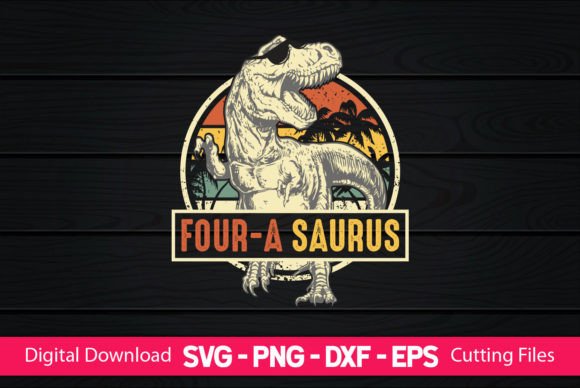
When I first pulled up the Four-a Saurus Funny Dinosaur in my design software, the mood was immediately clear: whimsical, bold, and undeniably fun. The shape suggests a creature that is more cartoon than fossil, which is perfect for the current trend of lighthearted, personality-driven decor. For those working in Crafts and Graphics, the layout appears balanced, avoiding the trap of being too cluttered while still offering enough detail to look professional. However, a quick visual inspection reveals that the success of this design relies heavily on how well the lines translate from a vector format to a stitch path.
The visual personality of the dinosaur feels right at home on items that need a pop of humor. It isn't a subtle background pattern; it is a statement piece. This makes me think immediately of specific use cases where the design can shine without getting lost in texture or competing patterns. If you are looking for a tote bag design that stands out in a crowd or a sweatshirt embroidery feature that sparks conversation, this character has the right energy. The clean lines suggest it could work well with a mix of fill stitch for the body and perhaps some satin stitch accents for the eyes or mouth, provided the digitization handles the curves smoothly.
Real-World Application: From File to Finished Product
Let's talk about a real scenario. Imagine you are preparing a batch of custom baby onesies for a local boutique. You want something cute but durable. The Four-a Saurus Funny Dinosaur fits this niche perfectly. In a baby embroidery context, the rounded features of the design are forgiving and friendly. I envision this stitched in soft pastel threads on a cream-colored fabric, creating a high-quality handmade product that parents would love. The simplicity of the character means it won't overwhelm the small chest area of a onesie, maintaining a clean aesthetic even when scaled down slightly.
Now, consider a different angle: a holiday embroidery project or a quirky gift for a teacher. Picture this design on a canvas tote bag or a sturdy kitchen towel. The contrast between the rough texture of the canvas and the smooth, colorful stitches of the dinosaur would create a tactile appeal that elevates the item from a simple craft to a premium finished product. For the Etsy seller or small shop owner, this versatility is key. You can market the same design across multiple categories—apparel, home goods, and accessories—maximizing your return on the digital asset. The key is ensuring the stitch density is appropriate for the fabric weight so the design lays flat and doesn't pucker.
Navigating Challenges: Where Caution is Needed
Despite its charm, not every application will be seamless. As a reviewer, I must point out where the Four-a Saurus Funny Dinosaur requires careful handling. If you plan to use this on a curved surface like a baseball cap, pay close attention to the smaller details. Curved surfaces distort designs, and if the dinosaur has tiny features like toes or teeth, they may get lost or merge together during stitching. Always check the hoop size compatibility before committing to a difficult substrate.
Fabric choice is another critical factor. On thin or stretchy fabrics, such as jersey knit t-shirts, the density of the fill stitch could cause the material to warp. You will likely need a strong stabilizer to support the weight of the thread. Similarly, using this design on dark fabrics requires strategic planning. If the original file is designed with light colors, you might need to add a white underlay or switch to a bright, high-contrast color palette to ensure the thread colors pop against the background. Without proper contrast, the visual appeal diminishes, and the product looks amateurish.
Furthermore, avoid placing this design in areas subject to heavy friction, like the cuff of a sleeve or the hem of a pants leg, unless you are confident in the durability of the stitch type used. Frequent washing can loosen loose ends, especially if the running stitch borders aren't secured tightly. For a commercial embroidery run, consistency is everything. One bad stitch on a hundred shirts ruins the batch. Therefore, testing is non-negotiable.
Practical Designer Notes for Success
To ensure your project succeeds, follow these practical steps before running the full production:
- Test on Scrap Fabric First: Never skip this step. Run the Four-a Saurus Funny Dinosaur on a scrap piece of the exact fabric you intend to use. Check for puckering, skipped stitches, or thread breaks.
- Verify File Formats: While the product description mentions SVG, PNG, DXF, and EPS for cutting machines, confirm if a dedicated embroidery file (like .PES, .DST, or .JEF) is included or if you need to convert it. Converting vector art to embroidery can sometimes result in jagged edges if not done professionally.
- Check Stitch Density: Zoom in on the digital preview. Are there areas that look too dense? Overly dense stitching can make the fabric stiff and uncomfortable, especially on custom apparel.
- Review Color Contrast: Create a printable mockup in both black and white and full color. Ensure the design remains recognizable and appealing regardless of the fabric background.
- Inspect Small Details: Look closely at the corners and curves. Sharp angles often require additional trims or adjustments in the digitizing process to prevent thread bunching.
- Confirm Licensing: Before selling finished items, double-check the license terms. Ensure you are allowed to sell personalized gifts or small shop products created with this design. Some licenses restrict commercial use or limit the number of items you can produce.
Final Verdict: A Versatile Asset for Creative Entrepreneurs
The Four-a Saurus Funny Dinosaur is a delightful addition to any designer's library, provided it is used with intention. It brings a sense of joy and playfulness that resonates well with customers looking for unique, character-driven items. Its strength lies in its adaptability across various mediums, from embroidered patches to nursery decor. However, like any digital asset, its quality in the real world depends entirely on the skill of the maker and the care taken during the production process.
For the creative entrepreneur, this design offers a solid opportunity to boost buyer engagement and add value to your inventory. By paying attention to fabric selection, stabilizer usage, and stitch settings, you can transform this digital graphic into a high-quality handmade presentation that builds trust and showcases your professionalism. Whether you are decorating a holiday gift or launching a new line of boutique branding merchandise, the Four-a Saurus Funny Dinosaur has the potential to be a standout star—if you let it shine through thoughtful execution.