Relax I’ve Got a Spreadsheet for That Review
As a designer who has spent years navigating the intersection of digital graphics and physical stitching, I approach every new machine embroidery design with a critical eye. The market is flooded with generic clip art, but finding a piece that translates well from screen to fabric requires a specific kind of scrutiny. Today, I am evaluating the Relax I’ve Got a Spreadsheet for That design. At first glance, it fits squarely into the Crafts category as a humorous Graphics asset, but its true value lies in how it performs when converted into thread on real-world products.
The Visual Personality and First Impression
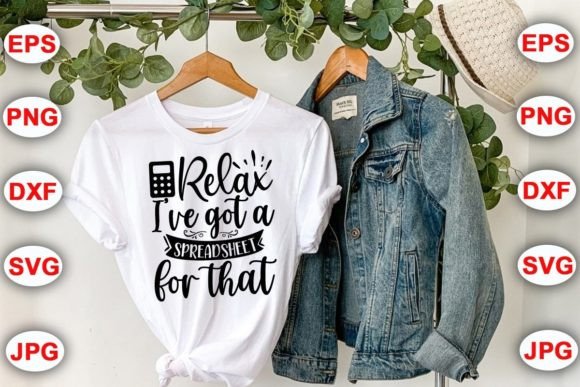
When I first loaded this file into my digitizing software, the mood was immediately clear: it is a nod to the organized chaos of modern professional life. The phrase "Relax I’ve Got a Spreadsheet for That" carries a specific cultural weight, particularly for accountants, project managers, and data-driven creatives. The typography is clean and legible, which is crucial for any text-heavy embroidery project. Unlike some designs that rely on excessive flourishes or tiny decorative elements that get lost in stitching, this design prioritizes readability.
The layout feels balanced, suggesting that it would work exceptionally well as a chest pocket placement on a shirt or centered on a tote bag. However, as a reviewer, I know that what looks good on a monitor can sometimes struggle under the needle. The key here is the spacing between the letters. In a digital embroidery file, tight kerning can lead to thread bunching, especially if the stitch density isn't optimized. My initial assessment is that this design has enough breathing room to handle standard fill stitch techniques without looking muddy, provided the digitizer did their job correctly.
A Real-World Application Scenario
To truly understand the potential of Relax I’ve Got a Spreadsheet for That, let’s walk through a hypothetical client order. Imagine I am running a small shop product line for an upcoming holiday season. A local corporate client wants personalized gifts for their finance team. They need something that feels professional yet relatable. I decide to use this design on a heavy-weight cotton twill apron and a structured canvas tote bag.
For the apron, the design would be placed on the bib area. Here, the sturdy fabric provides a perfect foundation. The stitch density would hold up well against the frequent washing these items endure. The humor in the text adds a layer of personality that elevates a standard work uniform into a conversation starter. For the tote bag, the design becomes a statement piece. When carried at a craft fair or a business conference, the message is instantly readable from a distance. This is where the design shines; it transforms a simple utility item into a branded, personalized gift that recipients will actually want to use.
If I were adapting this for a sweatshirt, I would likely opt for a slightly larger hoop size to ensure the text doesn't feel cramped on the textured fleece. The contrast between the dark garment and bright thread colors—perhaps a crisp white or a bold yellow—would make the message pop. This versatility is exactly what makes a handmade product successful in the current market. It appeals to the individual hobbyist making a gift for their spouse and the Etsy seller looking to expand their inventory with niche, funny apparel.
Navigating Fabric and Technical Challenges
While the design is promising, there are specific scenarios where caution is required. As with any text-based embroidery design, the choice of fabric is paramount. If you attempt this on a thin, stretchy jersey knit without the proper stabilizer, the tension of the machine could distort the letters, ruining the legibility of the joke. The "spreadsheet" concept implies precision, so a wobbly stitch line would undermine the entire aesthetic.
Furthermore, consider the limitations of smaller hoop sizes. If you are trying to fit this phrase onto a baby onesie or a small cap patch, you might run into issues with letter height. Tiny lettering often requires a switch from fill stitch to satin stitch to maintain definition, but even then, the intricate curves of certain fonts can become indistinguishable. I always advise testing the design on scrap fabric first. Run a test stitch on a similar material to your final project to check for puckering or skipped stitches.
Another consideration is the background color. On dark fabrics, you will need a solid backing of fill stitch behind the text to ensure the colors stand out. Without this underlay, the black or dark blue thread might disappear into the navy or charcoal fabric. Always compare light and dark fabric backgrounds in your mockups before committing to a full production run. This step is essential for maintaining product value and ensuring customer trust in your work.
Strategic Use for Small Business Owners
For those running a craft business or selling commercial embroidery services, Relax I’ve Got a Spreadsheet for That offers a unique angle. It targets a specific demographic that is often underserved by generic "mom" or "dad" designs. By focusing on career-specific humor, you can create a cohesive collection of design assets that appeal to professionals looking for office wear or retirement gifts.
This design also works well for creating printable mockups to showcase your capabilities online. Even if you aren't selling the physical item yet, showing how the design looks on a high-quality t-shirt or mug can drive engagement. Just remember to confirm the licensing terms before selling finished items. Many digital product sellers offer personal use licenses only, so verify that you have the right to sell the embroidered goods if you plan to scale this into a commercial venture.
Final Designer Notes and Recommendations
In conclusion, Relax I’ve Got a Spreadsheet for That is a strong contender for your next embroidery project. Its straightforward message and clean lines make it adaptable for various applications, from custom apparel to home decor like pillow covers and kitchen towels. However, success depends on execution. Pay close attention to your stabilizer choice, ensure your hoop size accommodates the text comfortably, and always test your thread colors against your fabric base.
Whether you are an experienced apparel decorator or a hobbyist looking to add a touch of wit to your handmade creations, this design has the potential to deliver a high-quality finished product. It bridges the gap between functional utility and personality, making it a valuable addition to any portfolio. Just take the time to review the file details, check the stitch count if available, and prepare your workspace for a seamless stitching experience. With the right preparation, this design will not only look great but also resonate deeply with anyone who knows the comfort of a well-organized spreadsheet.