Who Fired the Maid: A Designer's Embroidery Review
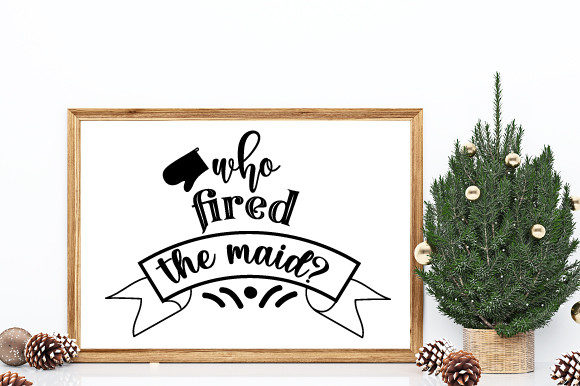
As someone who has spent years navigating the intersection of digital design files and physical stitching, I approach every new graphic with a critical eye. The market is flooded with machine embroidery designs that look great on a screen but fall apart under the needle. When I first encountered the Who Fired the Maid concept, my initial reaction was amusement followed by immediate practical assessment. This isn't just a funny phrase; it is a statement piece that demands specific handling to translate from a digital Graphics file into a high-quality finished product.
The mood of this design is inherently bold, slightly rebellious, and undeniably humorous. It carries the energy of a kitchen confession or a playful warning label. For an Etsy seller or a boutique owner looking to inject personality into their inventory, the visual layout offers a strong hook. However, the transition from a vinyl decal cutting file—often used in Crafts for paper or heat transfer—to a true embroidery project requires careful consideration of stitch types and fabric interaction.
Visual Impact and Stitching Strategy
When visualizing Who Fired the Maid as an embroidery file, the typography becomes the hero. Unlike intricate floral patterns where detail can get lost in dense fill stitch, word art relies heavily on the crispness of the letterforms. To achieve professional results, I would prioritize a combination of satin stitch for the outlines and borders to give the text definition, paired with a clean fill for the interior letters. The challenge here is maintaining legibility while ensuring the stitch density does not pucker the fabric.
In a real-world scenario, imagine preparing a custom embroidered apron for a bridal shower gift. The recipient is known for her chaotic cooking style, making this design perfect. If you were to place this on a heavy cotton canvas apron, the sturdy fabric would support the weight of the thread well. However, if you attempted this on a thin, stretchy jersey t-shirt without the proper stabilizer, the tension could distort the letters, turning "Maid" into something unrecognizable. The design's value lies in its clarity; if the stitching blurs, the joke is lost.
Real-World Application Scenarios
This design shines brightest when applied to items that benefit from a touch of humor and durability. Let's consider a few specific use cases where Who Fired the Maid excels:
- Kitchen Towels and Tea Towels: These are classic carriers for witty text. A light-colored linen towel allows the thread colors to pop, creating a charming contrast. Just ensure the hoop size accommodates the full phrase without crowding the edges.
- Custom Apparel: A sweatshirt or hoodie offers a large canvas. Placing the design on the back creates a statement piece, while the chest pocket area works well for a smaller, more subtle version. The texture of fleece can sometimes hide minor imperfections in the running stitch details.
- Tote Bag Design: Canvas totes are excellent for commercial embroidery projects. The thickness of the material supports heavier thread weights, allowing for a bolder look that stands out at craft fairs.
- Embroidered Patches: Creating a detachable patch is a fantastic way to sell this design as a versatile accessory. Customers can iron it onto denim jackets or backpacks, extending the life of your handmade product line.
For the small shop product creator, this design also fits perfectly into holiday embroidery collections. Think of it as a Christmas stocking name tag alternative or a funny ornament. The versatility of the phrase allows it to cross seasons, provided the color palette is adjusted to match the time of year.
Navigating Potential Pitfalls
Despite its appeal, there are areas where caution is required. Because the original description notes this is a digital download often used for vinyl, you must verify if the vector lines are optimized for embroidery digitizing. Some digital product sellers convert SVGs directly to stitch files, which can lead to excessive jumps or uneven coverage.
Avoid using this design on highly textured fabrics like ribbed knit or thick wool, as the uneven surface will disrupt the smooth flow of the satin stitches. Similarly, be wary of dark fabrics unless you plan to use a cutaway stabilizer and high-contrast thread colors. Without sufficient backing, the design may sink into the fibers, reducing its visual impact and making the text harder to read.
Another critical factor is the scale. Do not attempt to shrink this design too much for small hoops. Tiny lettering in baby embroidery or cap brims can become muddy quickly. If you are working on a curved surface like a baseball cap, test the curvature of the text to ensure it doesn't warp unnaturally. The phrase needs to remain straight and confident to land the punchline effectively.
Practical Designer Notes for Success
Before committing to a client order or mass-producing personalized gifts, always run a test stitch on scrap fabric that matches your final material. Check the thread colors against the background to ensure maximum readability. Inspect the small details, particularly the serifs or decorative elements of the font, to see if they hold up under magnification.
I recommend creating printable mockups in both black and white to assess the contrast before spending thread. Compare how the design looks on light versus dark backgrounds to determine if a two-tone thread scheme might add depth. Always confirm the licensing terms; while the file may be available for personal use, selling finished products often requires a commercial license. As a creative entrepreneur, protecting your business means respecting the intellectual property rights of the original designer.
Finally, remember that the success of Who Fired the Maid depends on execution. It is a fun, engaging design asset that can elevate a simple tote bag or sweatshirt into a conversation starter. By paying attention to hoop size, stabilizer choice, and stitch quality, you can transform this digital graphic into a tangible item that customers will love and wear proudly. Whether you are a hobbyist making a one-off gift or a business owner building a brand, treating this design with professional care ensures it delivers the laughter and style it promises.