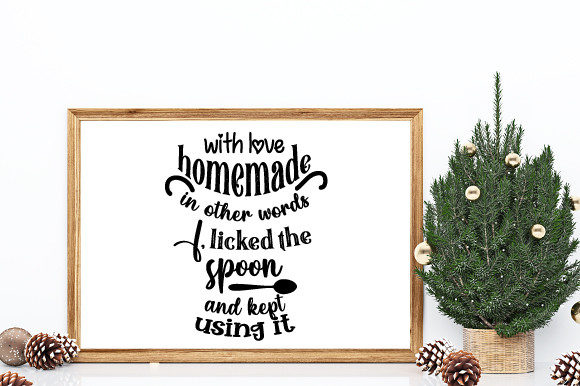
With Love Homemade: A Designer's Review
As someone who has spent years navigating the intersection of digital design and physical stitching, I approach every new machine embroidery design with a critical eye. The market is flooded with Graphics that look perfect on a screen but fall apart under the needle. When I first opened the file for With Love Homemade, my immediate thought was about its potential in the kitchenware niche. This isn't just another word art decal; it carries a specific warmth that translates well into thread, provided you understand how to handle it.
The First Impression: Warmth Meets Structure
With Love Homemade presents itself as a playful yet grounded piece of word art. The layout suggests a casual, hand-drawn aesthetic, which is exactly what we want when creating items meant for cozy, domestic spaces. In the world of Crafts, the "homemade" vibe is currency. Customers buying a tote bag or an apron aren't looking for corporate perfection; they want character. This design delivers that character through its lettering style and spacing.
However, as a professional reviewer, I have to look past the initial charm. The visual personality here relies heavily on the balance between the words "With Love" and "Homemade." If the stitch density is too high, the softness of the message gets lost in a block of thread. If it is too low, the letters might not pop against a textured fabric. The key to making this work lies in how the embroidery file handles the curves and the serifs. For a project like a custom embroidered sweatshirt, the flow of the text needs to mimic the drape of the garment.
Real-World Application: From Screen to Stitch
Let's talk about a real scenario. Imagine you are preparing a batch of personalized gifts for a holiday craft fair. You decide to use With Love Homemade on a set of heavy-duty cotton tea towels. This is a classic use case. The phrase fits the context perfectly, and the sturdy fabric can support the weight of the stitches without puckering.
In this setting, the design shines. The contrast between a white or cream towel and a warm terracotta or sage green thread creates an inviting look. The fill stitch areas in the letters should be dense enough to cover the weave of the towel but open enough to let the fabric breathe. This is where your choice of thread colors becomes critical. A dull, flat color will make the design feel cheap, while a variegated thread could add a subtle depth that elevates the finished product from a simple gift to a boutique item.
Now, consider a different application: a baby onesie. Here, the stakes are higher. The fabric is thinner, often stretchy, and the wearer is sensitive to texture. Using With Love Homemade on a baby garment requires a lighter touch. You might need to reduce the overall size significantly and ensure the stitch density is lowered to prevent the fabric from bunching up around the neck or chest. A running stitch outline might work better than a thick satin border to keep the edges soft against delicate skin.
Navigating Fabric Challenges and Limitations
Not every project is a smooth ride. As an experienced designer, I must warn you about where With Love Homemade might struggle. If you attempt this design on a highly textured fabric like chenille or a very thin silk blend, the intricate details of the lettering could get lost. The shadows cast by the texture might obscure the smaller parts of the text, making the message hard to read.
Furthermore, curved surfaces present a unique challenge. Embroidering this phrase on a baseball cap or a rounded pillow cover requires careful manipulation. The text is linear, and forcing it onto a curve without distorting the kerning (spacing) can ruin the visual appeal. If you are working on a cap, you might need to break the design into segments or choose a hoop size that matches the curvature of the panel. Always test the design on scrap fabric that mimics your final material before committing to the actual project.
Stabilizer and Hooping Strategy
The success of any custom apparel project hinges on preparation. For With Love Homemade, I recommend using a cutaway stabilizer for knit fabrics like sweatshirts. This provides the necessary support to prevent the letters from stretching out of shape during the washing process. For woven items like tote bags or aprons, a tear-away stabilizer might suffice, but always check the back of the design after hooping to ensure no loops are visible.
When hooping, remember that the tension of the fabric affects the final look. If the fabric is too loose, the satin stitch outlines may wobble. If it is too tight, you risk tearing the threads or distorting the garment. Take the time to adjust your hoop until the fabric feels like a drum skin—firm but not strained.
Commercial Viability and Brand Consistency
For the Etsy seller or small shop owner, consistency is key. With Love Homemade offers a versatile theme that fits well within a cohesive brand identity focused on home goods, cooking, and family. However, you must ensure that the quality of your execution matches the promise of the design. A poorly stitched version of this phrase can damage customer trust faster than a bad review.
Before listing these items, create high-quality printable mockups to showcase how the design looks on various products. Show it on a dark hoodie, a light apron, and a canvas tote. This helps potential buyers visualize the handmade product in their own lives. It also demonstrates your professionalism and attention to detail.
Regarding licensing, always double-check the terms of the digital download. While the description mentions it is suitable for cutting machines like Cricut and Silhouette, you need to confirm if the license allows for commercial use of embroidered items. Some Graphics files are restricted to personal use only. Never assume; verify the license to protect your craft business from legal issues.
Final Thoughts for the Maker
With Love Homemade is a strong contender for your next collection of kitchen-themed embroidery projects. It captures the essence of homemade care, which resonates deeply with consumers looking for meaningful, personalized items. Whether you are making a holiday gift, a wedding favor, or merchandise for your online store, this design has the potential to stand out.
Just remember the golden rule of embroidery: preparation is everything. Test your settings, choose the right stabilizer, and respect the limitations of your materials. When executed correctly, this design adds a layer of authenticity and warmth to any finished product. It turns a simple piece of fabric into a story of love and effort, which is exactly what the best handmade goods should do.
Take your time, experiment with different thread colors, and let the design speak for itself. Your customers will appreciate the care you put into every stitch, and that is the true value of being a skilled designer in the world of Crafts.