Engineer Hourly Rates: A Designer's Embroidery Review
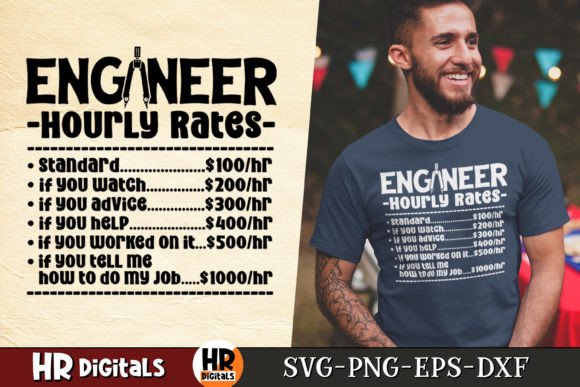
As a professional designer who spends countless hours translating digital graphics into tangible stitched products, I approach every new asset with a critical eye. When I first opened the Engineer Hourly Rates, Funny Engineer file, my immediate reaction was one of amusement mixed with practical curiosity. This design taps into a specific niche of engineering humor that resonates deeply with students, teachers, and seasoned professionals alike. However, the transition from a clean SVG graphic on a screen to a durable, high-quality machine embroidery design requires careful consideration. In this review, I am evaluating how this specific Graphics asset performs when moved from the digital realm into real-world Crafts and commercial applications.
The Visual Impact and Design Personality
The core appeal of Engineer Hourly Rates, Funny Engineer lies in its straightforward wit. The layout is designed to be instantly readable, which is crucial for apparel where the viewer often has only a few seconds to grasp the message. Visually, the typography and iconography work together to create a balanced composition that feels both modern and timeless. For an Etsy seller or a boutique owner looking to expand their catalog with personalized gifts, this design offers a clear value proposition. It speaks directly to the target audience without needing excessive explanation.
However, as someone who has stitched thousands of designs, I know that "funny" does not always equal "stitchable." The success of this project depends heavily on how the lines are converted into stitches. If the text features tight kerning or intricate details in the graphical elements, it could lead to issues with stitch density. When I visualize this as a finished product, I see a strong candidate for custom apparel, but only if the digitization maintains crisp edges. The mood is lighthearted yet professional enough to be worn in casual office settings or at engineering conferences, making it a versatile asset for a craft business.
Real-World Application: From File to Fabric
To truly understand the potential of Engineer Hourly Rates, Funny Engineer, let’s imagine a specific scenario. Picture a client requesting a set of embroidered tote bags for a university engineering department graduation gift. The goal is to create a memorable, high-quality item that graduates will actually use. In this context, the design fits perfectly. The bold nature of the text ensures visibility even from a distance, and the humorous tone makes the gift feel personal rather than generic.
I would likely choose a heavy-duty canvas tote bag for this project. The fabric texture of a sturdy tote provides a stable base for the embroidery file, allowing the fill stitch areas to sit flat and the satin stitch outlines to pop. Alternatively, consider a heavyweight sweatshirt. Sweatshirt embroidery is a staple for small shop products, and the soft fleece backing can sometimes hide minor stitching imperfections. However, because sweatshirts stretch, the placement of Engineer Hourly Rates, Funny Engineer must be centered carefully to avoid distortion when the garment moves.
This design also lends itself well to creating an embroidered patch. By stitching the design onto twill and cutting it out, you create a detachable accessory that can be applied to backpacks, hats, or denim jackets. This versatility increases the perceived value of the digital embroidery file, allowing you to sell multiple variations of the same design concept under different categories like baby embroidery (for future engineers) or holiday embroidery gifts.
Navigating Technical Challenges and Fabric Choices
While the design is promising, there are specific situations where Engineer Hourly Rates, Funny Engineer requires extra caution. One of the biggest pitfalls in machine embroidery is working with textured or stretchy fabrics. If you attempt to stitch this design on a thin cotton t-shirt without proper support, the needle may pull the fabric, causing the letters to warp. To prevent this, using a high-quality stabilizer is non-negotiable. Tear-away stabilizers work well for woven fabrics, while cut-away is essential for knits and stretchy materials to maintain the integrity of the finished product.
Another consideration is the hoop size. If the design includes a large block of text or a complex graphic element, ensure your hoop can accommodate the entire layout without splitting the design across two hoops. Splitting can lead to misalignment, which ruins the professional look of the piece. Additionally, be wary of dark fabrics. While Engineer Hourly Rates, Funny Engineer might look great in white thread on black, the contrast needs to be sharp. On very dark or patterned backgrounds, you may need to add a layer of underlay or switch to lighter thread colors to ensure legibility.
Detailed corners and tiny lettering are other areas where problems can arise. If the font size is too small, the running stitch or satin stitch columns might merge, creating a muddy appearance. Always inspect the smallest elements of the design before committing to a full run. If the text is dense, reducing the stitch density slightly can improve the drape of the fabric and prevent puckering, especially on items that require frequent washing, such as kitchen towels or aprons.
Strategic Advice for Craft Business Owners
For those running a craft business or selling handmade products online, the key to success with Engineer Hourly Rates, Funny Engineer is preparation. Before producing inventory, always test the design on scrap fabric that matches your final material. Check the thread colors for consistency and vibrancy. A color that looks perfect on a monitor might appear dull or washed out once stitched. Creating a printable mockup in black and white can also help you assess the visual weight and balance of the design without the distraction of color.
Licensing is another critical factor. As a small shop product creator, you must confirm whether the design assets allow for commercial use. Some files are strictly for personal projects, while others grant permission to sell finished goods. Never assume; always read the terms of service associated with the digital product. Selling unauthorized items can damage your brand reputation and lead to legal issues. Once you have confirmed the license, you can confidently market this design as part of your collection of personalized gifts and custom apparel.
Finally, think about how this design affects customer trust and brand consistency. High-quality stitching signals professionalism. If the Engineer Hourly Rates, Funny Engineer design is executed poorly—bunched threads, skipped stitches, or uneven tension—it reflects negatively on your entire shop. Conversely, a flawless execution enhances buyer engagement and encourages repeat purchases. Whether you are creating a boutique product for a holiday sale or a commercial embroidery order for a corporate event, attention to detail is what separates a hobbyist from a pro.
Final Thoughts on Project Viability
In conclusion, Engineer Hourly Rates, Funny Engineer is a strong contender for any embroidery portfolio focused on humor and niche interests. Its clear message and adaptable style make it suitable for a wide range of items, from caps to pillow covers. However, its success relies entirely on the designer's ability to manage technical variables like fabric choice, stabilizer usage, and stitch settings. By taking the time to test, refine, and verify licensing, you can turn this simple graphic into a standout handmade product that delights customers and boosts your sales. For the creative entrepreneur willing to put in the work, this design offers a reliable path to creating engaging, high-value merchandise.