The Chatty Elf: A Designer's Review for Holiday Embroidery
As someone who has spent years navigating the intersection of digital design files and physical thread, I approach every new machine embroidery design with a critical eye. The holiday season is approaching, and the demand for festive, personalized items is peaking. Today, I am evaluating The Chatty Elf, a design marketed as a matching funny Christmas SVG, PNG, DXF, and EPS file. While the product description highlights its utility for cutting machines like Cricut, my focus is on how this Graphics asset translates into a high-quality embroidery project for your craft business or personal use.
First Impressions: Visual Personality and Design Structure
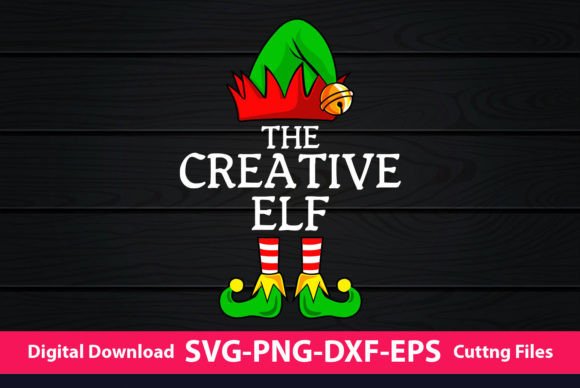
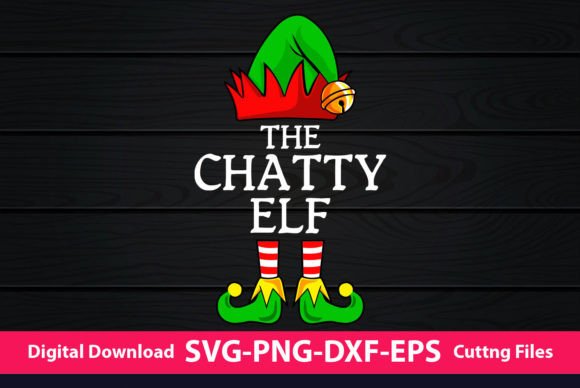
When I first opened the preview of The Chatty Elf, the immediate mood was playful and lighthearted. In the world of holiday decor, there is often a saturation of traditional reds and greens, but this design brings a modern, humorous twist that stands out. The character is expressive, with clear lines that suggest a strong silhouette. For an embroideried patch or a statement piece on custom apparel, this visual clarity is crucial. The layout appears balanced, avoiding the common pitfall of overly complex details that get lost in the stitching process.
However, as a designer, I always look beyond the surface. The "chatty" aspect implies text or a speech bubble, which immediately raises questions about stitch density and legibility. If the design relies heavily on small lettering to convey the joke, it requires careful conversion from a vector graphic to a stitch file. The overall shape suggests it would work beautifully as a standalone motif, perhaps centered on a sweatshirt chest or offset on a tote bag strap. It feels like a design meant to spark conversation, which is exactly what you want for a personalized gift or a boutique item intended to sell itself.
Real-World Application: From File to Finished Product
Let’s imagine a real scenario. You are an Etsy seller preparing a batch of limited-edition holiday sweatshirts. You decide to feature The Chatty Elf on the front left chest area. In this context, the design needs to hold up against the texture of fleece or cotton blends. Because the original file is a digital graphic, you must ensure the conversion to an embroidery file maintains the integrity of the elf's features.
If you are using this for sweatshirt embroidery, the soft, fuzzy texture of the fabric can sometimes swallow fine details. The bold lines of the elf should translate well here, provided the fill stitch is dense enough to cover the fabric without puckering. Alternatively, consider this design for a tote bag design. Canvas is a sturdy, flat surface that allows for crisp definition. A large-scale version of The Chatty Elf could serve as the hero image for a reusable shopping bag, making it a perfect small shop product for holiday markets.
For those focusing on baby embroidery, the playful nature of the character is appealing, but safety and comfort are paramount. The back of the embroidery must be smooth to avoid irritating delicate skin. This is where the choice of stabilizer becomes non-negotiable. Whether you are creating a onesie, a nursery pillow cover, or a blanket, the design must not distort the fabric when washed. The whimsical theme fits perfectly with family-oriented gifts, potentially becoming a cherished keepsake if executed correctly.
Navigating Technical Challenges and Fabric Constraints
While The Chatty Elf looks promising, there are specific areas where caution is required. If you plan to use this on curved surfaces like caps, the geometry of the design might need adjustment. Embroidery on a curved brim distorts the image, so the text or facial features could appear warped. Always test the design on a scrap piece of similar fabric before committing to expensive materials.
Another consideration is the hoop size. If the design includes a large speech bubble or extended limbs, it may exceed the capacity of a standard 4x4 hoop, requiring a larger 5x7 or 6x10 setup. For smaller projects like embroidered patches or keychains, you may need to downsize the artwork, which risks losing the humor in tiny lettering. Check the thread colors carefully; a dark background fabric will require a lighter thread to make the elf pop, while light fabrics offer more versatility.
Texture also plays a significant role. On highly textured fabrics like denim or tweed, the running stitch outlines might get lost. In these cases, increasing the width of the satin stitch borders can help define the edges. Additionally, if you are working with stretchy fabrics, such as jersey knit for t-shirts, the tension of the machine must be calibrated to prevent the stitches from pulling the fabric unevenly. The goal is a professional finish that enhances the garment rather than compromising its fit.
Practical Notes for Professional Execution
To ensure The Chatty Elf performs at its best, follow these practical steps:
- Test on Scrap Fabric: Never skip this step. Run a test on the exact fabric and stabilizer you intend to use to check for registration issues and puckering.
- Review Stitch Density: Ensure the fill areas are not too dense, which can stiffen the fabric, nor too sparse, which can show the background material through.
- Inspect Small Details: Zoom in on the eyes, mouth, and any text. If they are too small, simplify them to maintain clarity after stitching.
- Mockup Testing: Create a black and white printable mockup to visualize contrast before purchasing thread. Compare how the design looks on both light and dark backgrounds.
- Licensing Verification: Before selling finished items or using this as a commercial embroidery asset, confirm the license terms. Ensure you have the right to sell products featuring this design and understand restrictions on reselling the digital file itself.
Impact on Brand Value and Customer Perception
In the competitive world of handmade goods, the quality of your design directly influences customer trust. A well-executed The Chatty Elf design signals professionalism and attention to detail. It transforms a simple garment into a conversation starter, increasing the perceived value of your handmade product. Customers looking for unique holiday gifts appreciate designs that feel curated rather than generic.
Furthermore, consistency in your design assets builds brand recognition. If you incorporate this character into a line of holiday embroidery items—perhaps matching aprons, tea towels, and pillows—you create a cohesive collection that encourages multiple purchases. The humor inherent in the design adds an emotional connection, making the item more giftable and memorable. However, if the execution is poor, with tangled threads or misaligned elements, it can damage your reputation as a craft business owner.
Final Verdict for the Creative Entrepreneur
The Chatty Elf offers a delightful opportunity for designers and makers to add a touch of modern fun to their holiday collections. Its strong visual identity makes it suitable for a wide range of applications, from custom apparel to home decor. However, success lies in the execution. By respecting the technical limitations of embroidery, choosing the right fabrics, and verifying licensing, you can turn this digital file into a profitable and beautiful finished product.
Whether you are a hobbyist making gifts for friends or a seasoned entrepreneur scaling your digital product sellers inventory, this design has potential. Just remember that the journey from a digital graphic to a stitched masterpiece requires patience, testing, and a keen eye for detail. With the right approach, The Chatty Elf can become a standout piece in your holiday catalog, bringing smiles and satisfaction to your customers.